

Celebrating Our Sunday Times 100 Place
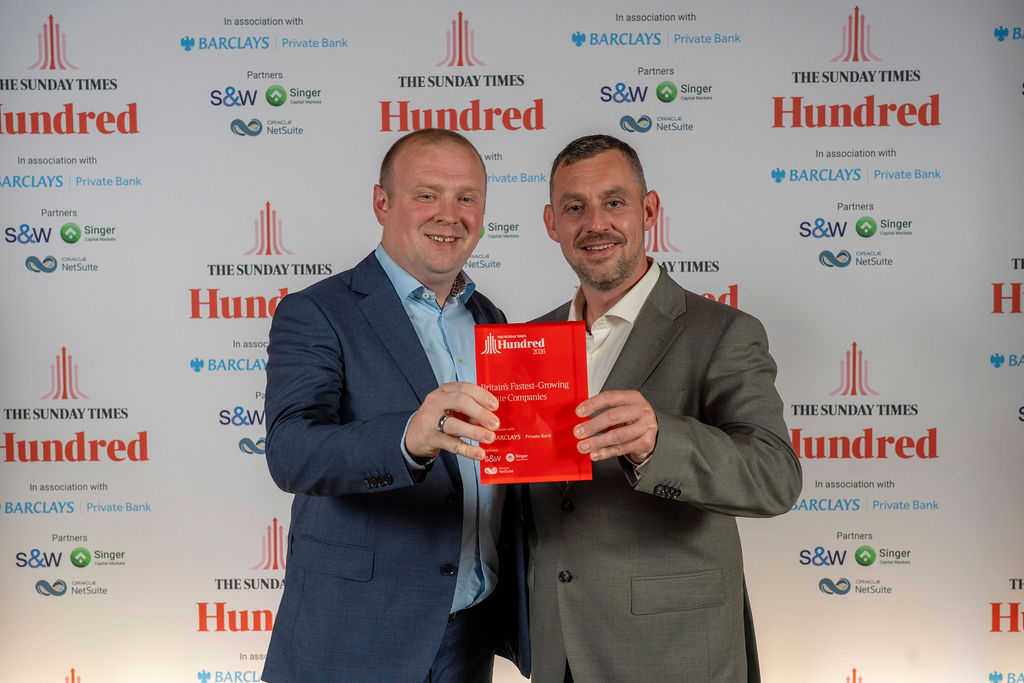
Last week, James Weir and Alex Hurst represented Jigsaw Finance at The Sunday Times 100 awards ceremony. It was a night that belonged to the whole team.
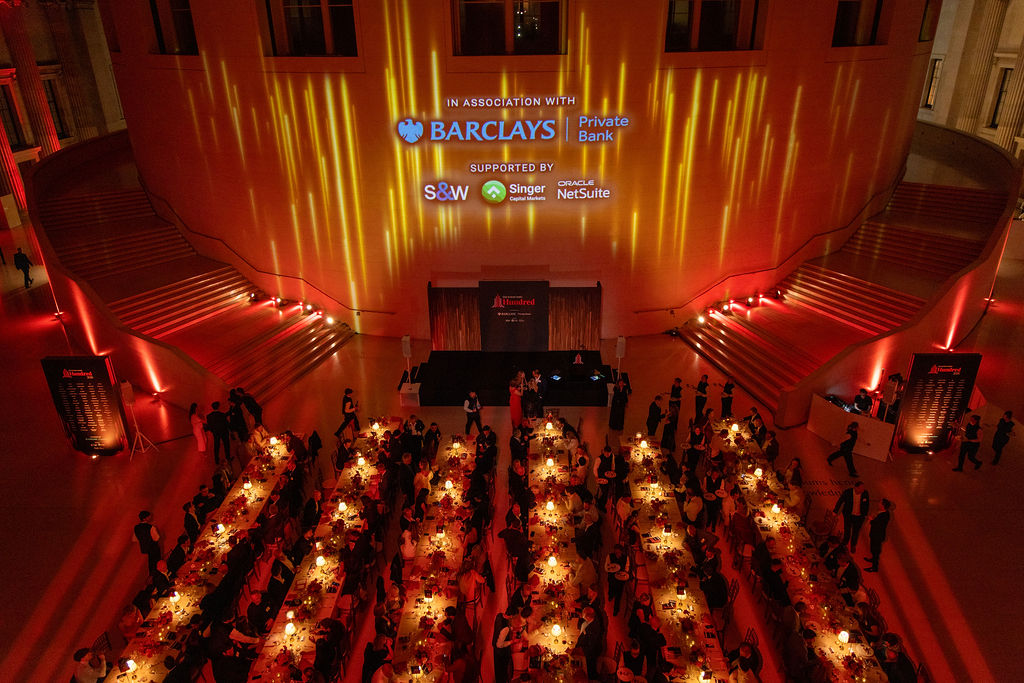
In June, we shared the news that Jigsaw Finance had been ranked 69th in The Sunday Times 100, the league table of Britain’s fastest-growing private companies. Last week, our Co-Owners James Weir and Alex Hurst attended the official awards ceremony to mark the achievement in person, alongside the leaders of the other businesses on this year’s list.
Seeing your name on a list is one thing. Being in the room with the other businesses that earned their place is another. It was a chance to stop, look back on how far Jigsaw Finance has come, and feel proud of what we’ve achieved.
A proud moment for Jigsaw
“Being at the ceremony made it feel real,” said Alex Hurst. “When James and I took on the business in 2023, we believed in what Jigsaw could become. To be recognised among the fastest-growing companies in the country is something we’re incredibly proud of, and it’s a reflection of everyone who is part of the team.”
Thank you to the whole team
Whilst James and Alex were in attendance as Co-Owners, they strongly feel this is one for the entire team to feel proud of.
From the front-line sales team who speak to customers and dealers every day, to the back-office teams who keep everything running behind the scenes. Every person in the business has played a part in getting us here. As a remote-first business, our people show up for each other and for our customers every day, wherever they’re working from.
What comes next
Jigsaw has grown quickly over the last three years, and we intend to keep growing. How we grow matters just as much as the actual growth.
“We want to keep building on this, but never at the expense of how we treat people,” said James Weir. “Great service and doing the right thing by our customers and dealers are what got us here. They’ll stay at the heart of everything we do as we grow.”
To everyone at Jigsaw Finance: thank you. This recognition is yours.